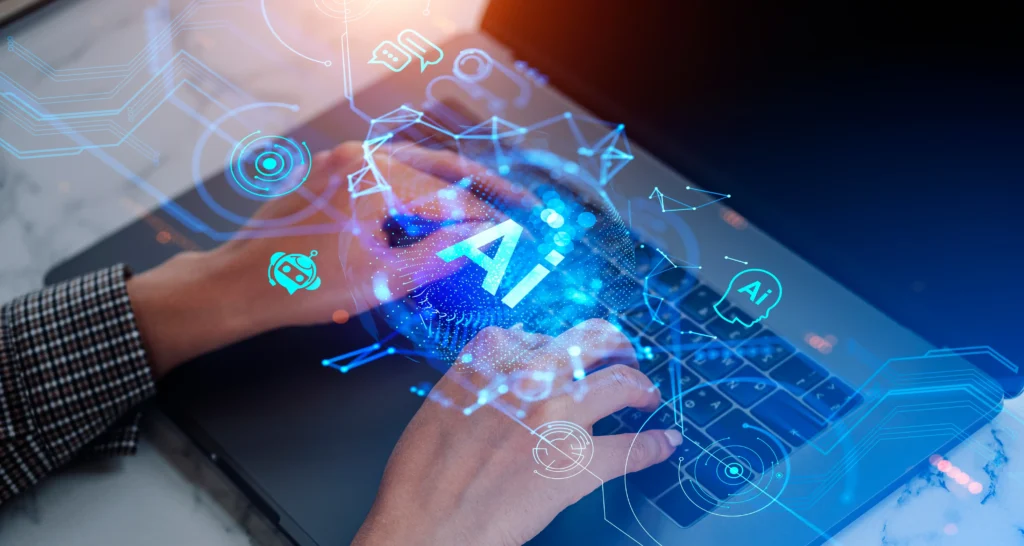
Artificial Intelligence (AI) is no longer a futuristic concept reserved for science fiction. It has become an essential part of modern life, influencing how we work, communicate, shop, learn, and even receive healthcare. As AI technologies continue to evolve, businesses and individuals alike are discovering new opportunities to improve efficiency, enhance decision-making, and create innovative solutions.
In recent years, AI has moved beyond automation to become a powerful tool for solving complex problems. From personalized recommendations on streaming platforms to intelligent virtual assistants and advanced medical diagnostics, AI is shaping the future of nearly every industry.
AI Is Changing the Workplace
One of the biggest impacts of AI can be seen in the workplace. Organizations are increasingly adopting AI-powered tools to automate repetitive tasks, analyze large amounts of data, and improve productivity. Customer service teams use intelligent chatbots to provide instant support, while marketing professionals rely on AI to better understand customer behavior and optimize campaigns.
Rather than replacing human workers, AI is helping professionals focus on higher-value tasks that require creativity, strategic thinking, and problem-solving.
Healthcare Is Becoming Smarter
Healthcare is another sector experiencing significant transformation. AI-powered systems assist doctors by analyzing medical images, predicting disease risks, and recommending personalized treatment plans. Hospitals are using predictive analytics to improve patient care and reduce waiting times.
Although AI cannot replace experienced healthcare professionals, it serves as a valuable assistant that helps improve accuracy and efficiency in medical decision-making.
Education Is Becoming More Personalized
Educational institutions are embracing AI to create personalized learning experiences. Intelligent learning platforms adapt lessons based on a student’s progress, strengths, and learning style. Teachers also benefit from automated grading systems and data-driven insights that help identify students who may need additional support.
As technology continues to improve, AI is expected to make education more accessible and engaging for learners around the world.
Businesses Are Making Better Decisions
Companies generate massive amounts of data every day. AI helps transform this information into meaningful insights by identifying patterns, predicting market trends, and supporting faster decision-making.
Retailers use AI to forecast customer demand, financial institutions detect fraudulent transactions in real time, and manufacturers optimize production through predictive maintenance. These capabilities allow businesses to operate more efficiently while reducing costs.
Ethical Challenges Remain
Despite its many advantages, AI also raises important ethical questions. Privacy, data security, algorithmic bias, and responsible AI development remain key concerns for governments, businesses, and technology leaders.
Organizations must ensure AI systems are transparent, fair, and accountable. Responsible development practices will play a critical role in building public trust and maximizing the benefits of artificial intelligence.
What the Future Holds
The future of AI looks incredibly promising. Emerging technologies such as generative AI, autonomous systems, robotics, and advanced machine learning will continue transforming industries in the coming years.
Experts predict that AI will become an even more integrated part of everyday life, supporting smarter cities, sustainable energy solutions, improved transportation, and more personalized digital experiences. Businesses that embrace AI responsibly will be better positioned to remain competitive in an increasingly technology-driven world.
Final Thoughts
Artificial Intelligence is redefining how people live and work. While challenges related to ethics and regulation still need careful attention, AI offers tremendous opportunities for innovation, productivity, and economic growth.
As technology continues to evolve, staying informed about AI trends will help individuals and organizations prepare for the future. Understanding both the benefits and the responsibilities associated with artificial intelligence will be essential in shaping a smarter, more connected world.